Multiple or Repeat Power Cuts
Sometimes interruptions happen because of things outside our control — like weather, wildlife or unreported cable damages. We know they’re frustrating, but we work closely with others within the industry to fix issues quickly and prevent them happening again.
Where Your Power Comes From
GTC are responsible for keeping your lights on as we own and operate the electricity network and cables that connect and distribute energy to your home.
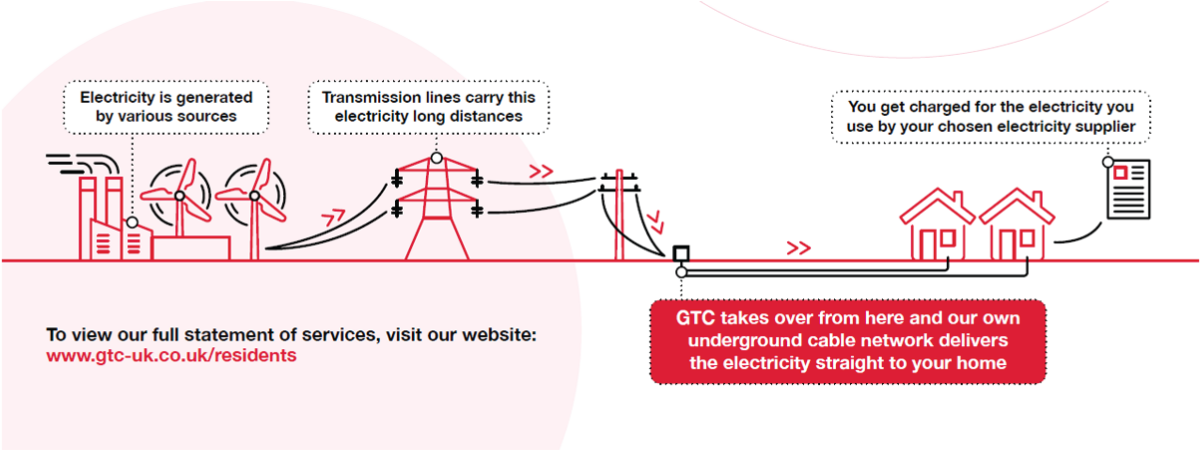
Although GTC owns and operates the cables from your local substation to your property, GTC may take a feed of electricity from an upstream distribution network operator. You can find out more about network operators by visiting – https://www.energynetworks.org/customers/find-my-network-operator.
These “upstream” networks often use overhead lines to bring electricity to GTC networks.
This means that even though your supply is underground, faults on overhead lines can still cause interruptions for GTC customers.
Overhead Line Interruptions
Overhead lines are more exposed to the environment, so they can be affected by external factors.
-
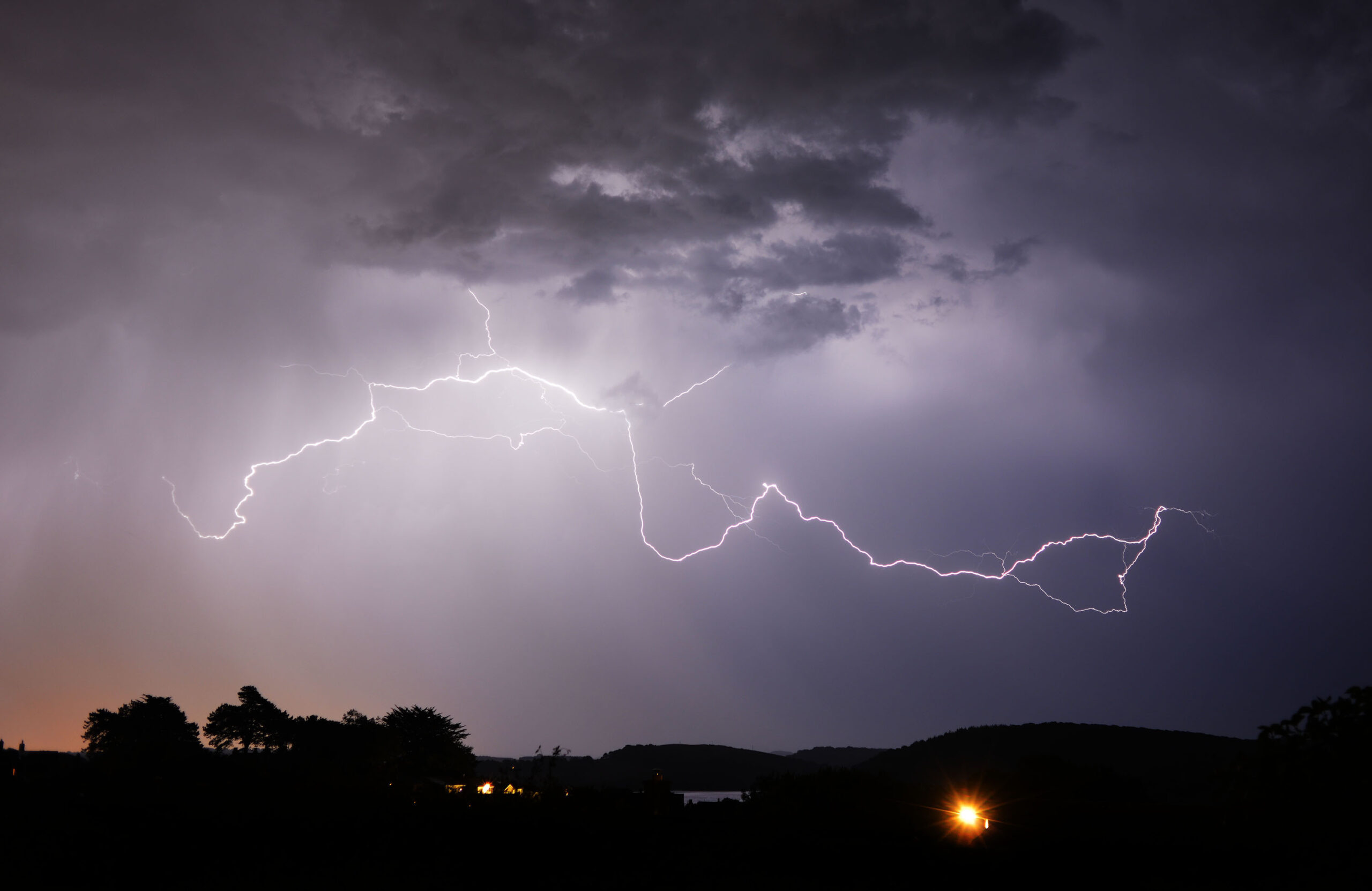
Weather and Storms
Strong winds, lightning or heavy snow can bring down overhead lines and damage equipment.
-

Trees and Vegetation
Branches can fall onto lines or grow too close to them.
-
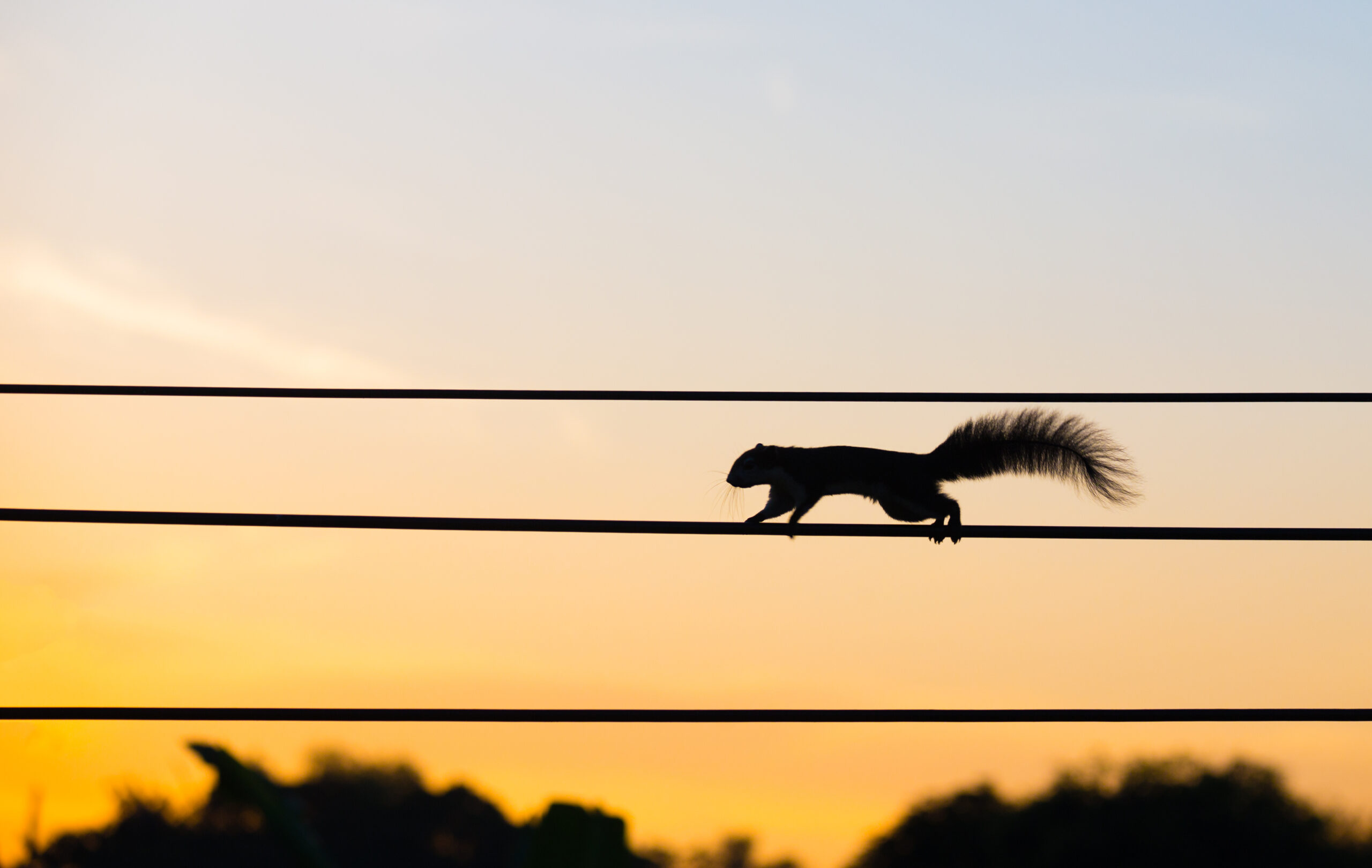
Birds and Animals
Animals sometimes make contact with the cables.
To reduce long outages, overhead lines use a protection system called auto-reclosure:
• When something interacts with the line the power can trip off for a few seconds.
• The system then automatically switches the power back on to see if the fault has cleared.
• If it was only a temporary disruption (e.g. a bird brushing past), power is restored immediately.
• If not, the power remains off to allow engineers to investigate and repair.
This system means many customers experience short blips instead of long outages. While these short interruptions can feel inconvenient, they are actually a sign that the network is protecting your power supply.
Think of it like the trip switch in your home fuse box.
When there’s a problem, it flicks off to protect you — and then you can switch it back on to see if everything’s safe. Auto-reclosure works the same way on the overhead lines, only it does the checking automatically. That’s why you might notice a quick flicker, but not a long power cut.
Underground Cable Interruptions
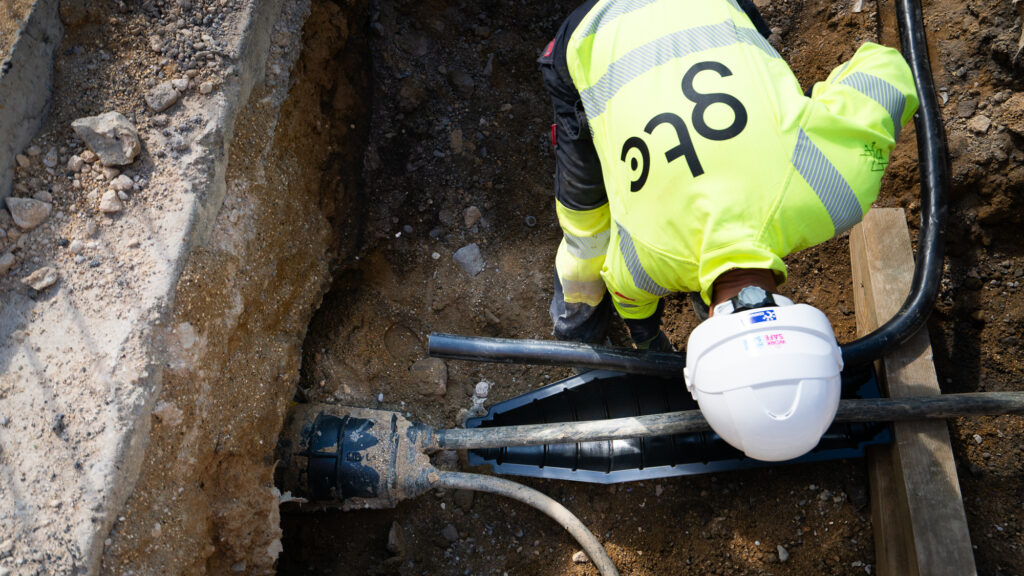
GTC’s electricity network is made up entirely of underground cables. This protects your supply from weather, trees and animals, but underground cables can still develop faults in other ways.
- Even a tiny hole or crack can let in moisture, which may cause a fuse to blow at the substation which will result in you losing power. This tiny hole or crack/damage could have been done weeks/months ago by others working around the cable but may only start causing issues now.
- Because cables are buried under roads and paths, finding the exact fault is challenging. Engineers use specialist equipment to pinpoint the problem as accurately as possible before digging.
- Sometimes the heat from the fault dries out the moisture temporarily, making the damage harder to locate. This can mean it takes more than one attempt before the issue is fully resolved. Not everyone maybe initially impacted by an interruption, but may be affected later on if we need to isolate the supplies in order to safely carry out the repairs to the network.
If you feel that you have had too many power cuts recently, please contact us and we’ll happily investigate this for you.